This is the trend forecast working studios are actually responding to in 2026 — not the seasonal Pinterest list, but the durable directional shifts in client requests, vendor releases, and editorial coverage. Each trend includes how it shows up in real projects and what to prepare for.
1. Quiet luxury matures (and gets warmer)
The quiet luxury wave that defined 2023–2024 hasn’t gone away in 2026 — it has matured. The first generation of the trend produced cool, monochromatic, museum-like interiors. The 2026 iteration is warmer, more textured, and less afraid of personality. Same restraint, more warmth.
How it shows up: warm whites instead of cool whites, oak and walnut instead of bleached wood, plaster instead of paint, more layered textiles, more visible craft. The aesthetic remains restrained but the rooms feel inhabited rather than staged. Architectural Digest editorial coverage through 2025 tracked the shift consistently.
2. AI-native specification becomes the default
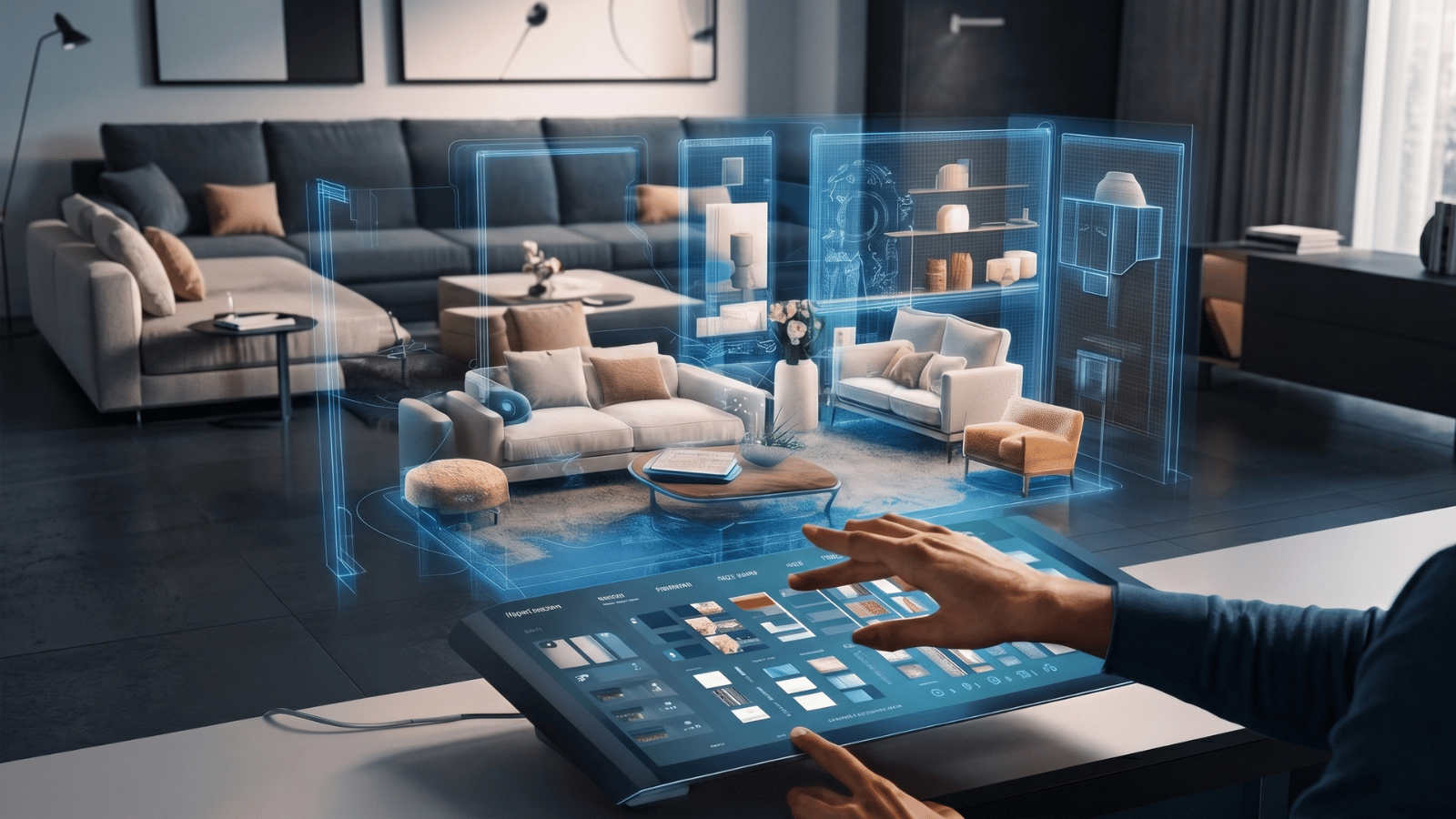
By 2026, most working studios use AI somewhere in the specification workflow — virtual staging on every listing, concept renders before every client meeting, material studies on demand. What’s new in 2026 is that clients expect it. A designer who can’t show three style directions in the first meeting is competing against ones who can.
The downstream effect: the concept stage of every project gets compressed from weeks to days. The freed time goes to either more projects per year (volume play) or deeper sourcing and detailing per project (premium play). Studios that don’t pick a side are getting squeezed.

3. Biophilic engineering, not biophilic decoration
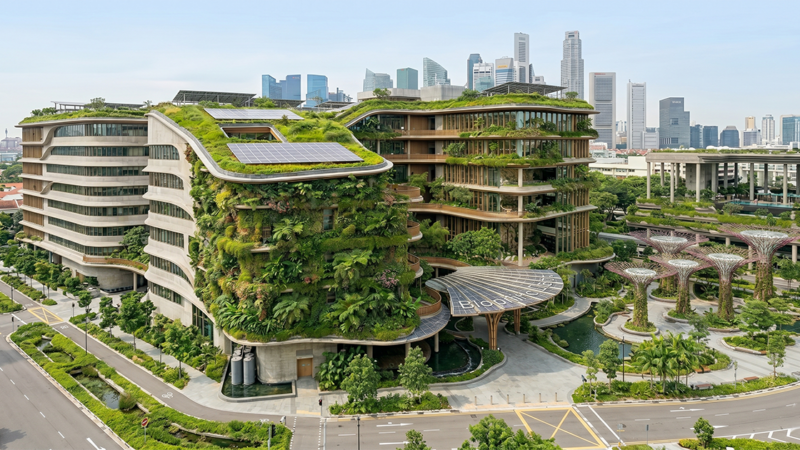
Biophilic design has been a stated trend for a decade, but 2026 marks the shift from biophilic decoration (add some plants) to biophilic engineering (designed daylight, ventilation, water, and material flows). Clients are asking for measured benefits — better sleep, calmer kids’ rooms, more daylight in work-from-home setups — not just plants on a shelf.
How it shows up: light tubes and clerestories specified for circadian benefit, water elements engineered into entry sequences, biophilic material palettes (clay, wood, stone, plaster) replacing painted drywall as the default. The aesthetic outcome looks like Japandi or modern organic; the brief that drives it is wellness-engineered.
4. The return of saturated color
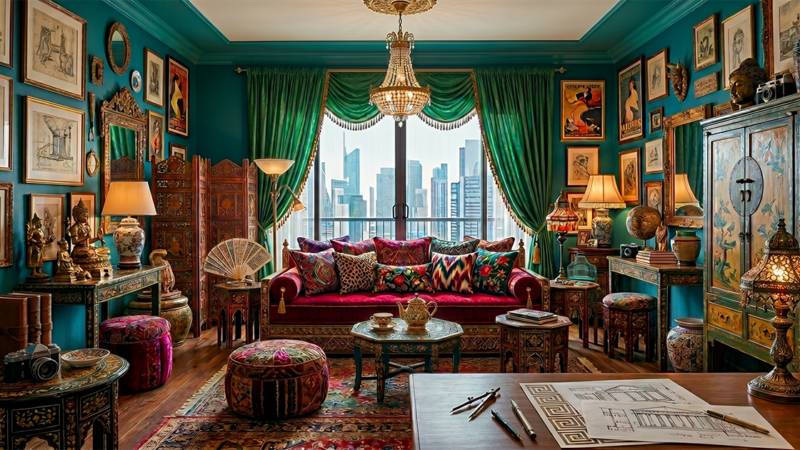
After a decade of restraint, color returns in 2026 — but the way it returns matters. The trend is not “everything in jewel tones” — it’s color used architecturally: full-room saturated walls and ceilings, blocky color planes, monochromatic rooms in unexpected hues. Think entire room in burgundy, full library in olive, ceiling and walls both in plaster terracotta.
Brands releasing palette-driven trend forecasts (Farrow & Ball, Benjamin Moore, Sherwin-Williams) all converged on warmer, deeper, more saturated palettes for 2026. The cool grays that defined 2018–2022 are gone.
5. Kitchen as living room
The 2026 kitchen functions less like a workspace and more like a soft living room. Upholstered banquettes replace bar stools. Bookshelves replace tile splashbacks. Sconces and table lamps replace can lighting. Range hoods are dressed in plaster instead of metal.
The functional driver: kitchens are now where families actually live — meals, homework, work-from-home calls, entertaining — and the design language is catching up. Expect more requests for hidden appliances, soft furniture, and warm finishes in 2026 kitchen projects.
6. The unbundled bathroom
The 2026 master bathroom is breaking up. Toilet rooms separate. Wet rooms unify shower and tub. Dressing rooms emerge as their own zones. The single big bath is giving way to a sequence of smaller, more specific rooms — modeled more on hotel design than traditional residential plumbing groups.
Practically, this means more plumbing fixtures per square foot, more finishes per project, and more lead-time pressure. The aesthetic upside is that each space gets a distinct mood — a moody dressing room next to a bright wet room next to a calm toilet enclosure.
7. Material provenance as marketing
The 2026 client doesn’t just want beautiful materials — they want to know where they came from. Provenance is now part of the project narrative: this oak from a specific forest, this stone from a specific quarry, this textile woven in a specific workshop. The shift is from “luxury” as price to “luxury” as story.
For designers, this means deeper vendor research, more sourcing time per project, and more documentation in client presentations. Vendor relationships are more important than ever — and AI tools are not yet good at provenance research, which is one of the durable parts of the designer’s job in 2026.
Frequently asked questions
Are quiet luxury interiors over in 2026?
No, but they’ve matured. The cool, monochromatic version of quiet luxury that defined 2023 has given way to a warmer, more textured iteration. Same restraint, more personality — oak instead of bleached wood, plaster instead of paint, more visible craft.
What colors are trending in 2026 interior design?
Saturated warmth — burgundy, olive, terracotta, deep ochre, dusty rose — used architecturally rather than as accents. Full-room color treatments (walls and ceilings together) are gaining ground. Cool grays continue to fade.
Is biophilic design still a trend in 2026?
Yes, but evolved. The 2026 version is biophilic engineering — measured wellness outcomes from designed daylight, ventilation, water, and natural materials — rather than decorative biophilia (adding plants). Expect more client briefs framed around health and circadian benefits.
How is AI changing interior design in 2026?
AI has moved from novelty to default. Most working studios use AI for concept renders, material studies, and virtual staging. The downstream effect is compressed concept timelines (days instead of weeks) and higher client expectations for option generation at the first meeting.
What kitchen trends are emerging in 2026?
Kitchen-as-living-room: upholstered banquettes, bookshelves, sconces, plaster range hoods. The kitchen is now where families live, and the design language is shifting away from utility toward soft warmth. Hidden appliances and warm finishes are the dominant direction.
See it in your own projects.
Generate your first AI interior visualization in under 3 minutes. No 3D experience required.