This is the working studio’s guide to interior design lead generation — the inbound and outbound tactics that produce repeatable inquiries, the right channel mix by studio size and positioning, and the measurement system that lets you allocate time and budget by conversion economics rather than guesswork.
Inbound vs. outbound — why most studios get the mix wrong
The two categories of lead generation produce different cost structures, different lead qualities, and different growth dynamics:
- Inbound brings leads to the designer through visibility — SEO, content marketing, social media, PR. High lead quality, low marginal cost per lead, but slow to compound. Right for studios with patience and content-creation capacity.
- Outbound brings designers to leads through proactive contact — partnerships, direct outreach, paid ads. Faster results, higher cost per lead, more immediate revenue but less compounding.
Most struggling studios over-rely on inbound (waiting for the website to deliver) or over-rely on outbound (constant pitching, no compounding). The right mix in 2026 is roughly 60–70% inbound (compounding asset) and 30–40% outbound (predictable pipeline) for established studios; the inverse for new practices that need immediate revenue.
The five highest-ROI inbound tactics for 2026
- Local SEO. Ranking for “interior designer [city]” and “[style] interior designer [city]” delivers extraordinarily qualified leads. Requires a real website, Google Business Profile optimization, local content, and 6–12 months of patient effort.
- Project case studies on the website. Long-form project pages with photography, design narrative, and SEO-targeted titles. Each strong case study compounds for years.
- Instagram with discipline. Three posts per week, consistent visual point of view, real DM responses. Not a vanity metric — a working lead channel for visual-strong studios.
- Pinterest. Underrated in 2026. Pinterest traffic is planning-stage and often higher-intent than Instagram. Pin batches of portfolio work weekly.
- Editorial and PR. Features in Architectural Digest, Elle Decor, Dwell, House Beautiful, and regional design publications deliver leads for years after publication. Pitch projects to editors proactively.
The five highest-ROI outbound tactics for 2026
- Builder, architect, and realtor partnerships. Formal or informal referral relationships. The single best lead source for many high-end residential designers.
- Direct outreach to homeowners with new permits. Public building permit records in many cities identify homeowners about to renovate. Outreach with concept value, not pitch.
- Targeted Meta Ads. Instagram and Facebook ads targeting geographic area, income/home indicators, and design interests. $500–$3,000/month testable.
- Google Ads on high-intent keywords. Expensive ($15–$80 per click in major markets) but delivers immediate leads. Best for established studios with strong conversion infrastructure.
- Speaking, podcasts, and trade events. Slow-build authority that produces premium-tier leads from people who heard you speak.
AI’s role in lead generation workflow
AI tools — including Roomwork.ai — have specific high-leverage roles in modern lead generation:
- Content production scale. AI-assisted blog post drafting, social media variation testing, and SEO keyword research dramatically increase content cadence without proportional time cost.
- Concept work in proposals. AI-rendered concept work for prospect spaces, included in proposals, lifts close rate measurably.
- Discovery-call enhancement. Generating 2–3 quick AI concepts during or immediately after a discovery call produces dramatically higher conversion to signed proposal.
- Portfolio gap filling. Newer designers can show conceptual work in tiers they haven’t built yet, accelerating their move into target markets.
- Pinterest content scale. AI-generated style variations of portfolio work let designers maintain a heavy Pinterest cadence with limited additional work.
Measurement system for working studios
- Tag every lead at intake. Required field on the contact form, asked on every discovery call. Where did you find us?
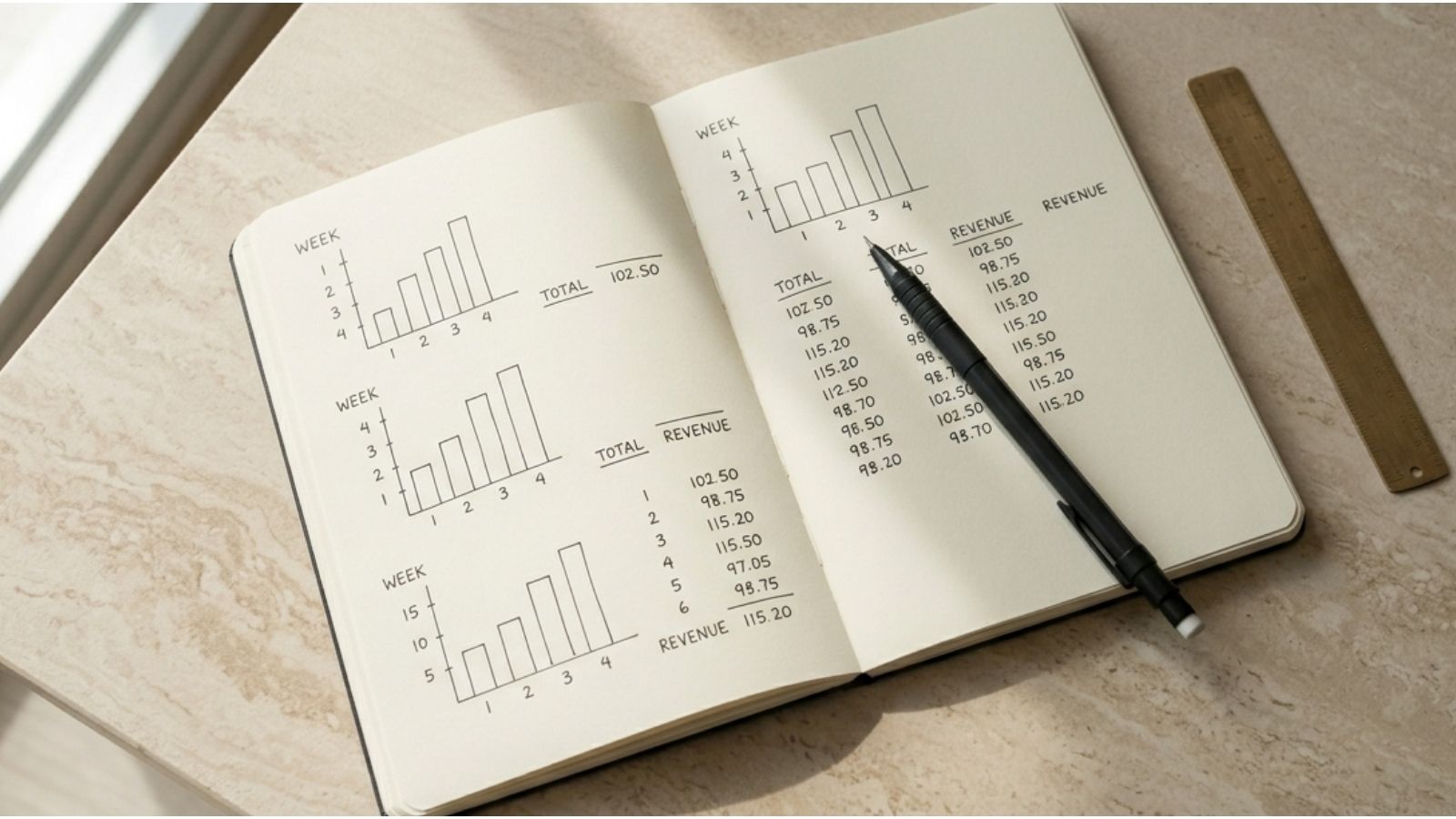
- Monthly lead report. By channel: leads, qualified leads (took a call), signed proposals, closed projects, average project value.
- Quarterly channel economics. Cost per acquired client by channel. Includes time cost, not just hard dollar cost.
- Annual mix optimization. Reallocate budget and time toward channels with best economics. Most studios discover one or two channels are doing 70%+ of revenue work — those deserve more investment.
- Track to revenue, not lead count. Lead volume is vanity. Revenue by source is the metric that matters.
Frequently asked questions
What’s the best lead generation channel for interior designers in 2026?
There’s no single best channel — the right channel mix depends on studio size, positioning, and project type. For high-end residential studios, strategic partnerships with builders/architects and editorial PR consistently produce the highest-converting leads. For mid-market residential, Instagram and local SEO. For commercial work, direct outreach and industry networking. Most successful studios run 3–4 channels deliberately.
How long does interior design SEO take to produce leads?
Local SEO for interior designers typically takes 6–12 months to start producing leads, and 18–24 months to mature. Studios in less competitive geographic markets can see faster results. The investment compounds — SEO leads accumulate over years and have very low marginal cost once the website ranks.
Should I hire a marketing agency for interior design lead generation?
Most working designers benefit from a specialist (SEO consultant, paid ads manager, content writer) rather than a full agency. Agency overhead is hard to justify on typical design studio budgets. Specialist hires at $500–$3,000/month for specific channels are more economic than full-service agency engagement.
How much should I budget for interior design lead generation?
Working studios in 2026 typically invest 5–15% of revenue in marketing and lead generation. New studios often invest more (20%+) to compound faster. The budget should be roughly split between paid channels (ads), content production (writing, photography), and tools (CRM, scheduling, AI tools like Roomwork.ai for concept work in proposals).
Is direct outreach worth it for interior designers?
Yes, in two specific contexts: outreach to builder/architect/realtor partners (relationship-building, not pitching), and outreach to specific homeowners about to renovate (offered as design value, not promotional). General cold outreach to homeowners has low conversion and damages the studio’s positioning.
See it in your own projects.
Generate your first AI interior visualization in under 3 minutes. No 3D experience required.